Connected Development [CODE]
Climate Justice & Extractive Accountability.
The communities that contribute least to climate change bear the heaviest burden of its consequences. CODE exists to change that.
By the Numbers
A decade of climate accountability.
Climate finance tracked across 828 projects globally.
Annual climate financing gap documented and presented to policymakers.
Of Nigeria's climate finance received as concessional loans, not grants.
Academic and policy studies referenced in CODE's climate finance analysis.
Only 12% of climate finance received as outright grants to Nigeria.
Where It Started
Rooted in the Niger Delta.
CODE's accountability work in the extractive sector is rooted in the Niger Delta, a region that holds over 35 billion barrels of proven crude oil reserves and has borne the environmental consequences of oil exploration since the 1950s.
Since 2011, Shell has reported 1,010 spills totalling over 110,000 barrels of oil lost. Since 2014, Eni has reported 820 spills. The communities that live alongside this industry have seen their health, livelihoods, and environments devastated while revenue flows away without transparency or remedy.
The campaign that gave birth to Follow The Money began in Bagega, Zamfara State, where illegal mining had killed over 400 children and poisoned thousands more. CODE's campaign led the Nigerian government to disburse $5.3 million for treatment and remediation. That experience shaped everything that followed.
In Nigeria and across Africa, the communities most exposed to environmental degradation are often the same communities with the least power to demand accountability.
— Connected Development [CODE]
Research & Advocacy
Climate Finance Research.
CODE published a comprehensive analysis of Nigeria's climate finance flows from 2015 to 2022. Nigeria received $4.928 billion over seven years with 75 percent arriving as concessional loans and only 12 percent as grants, against an annual financing need of $177.7 billion.
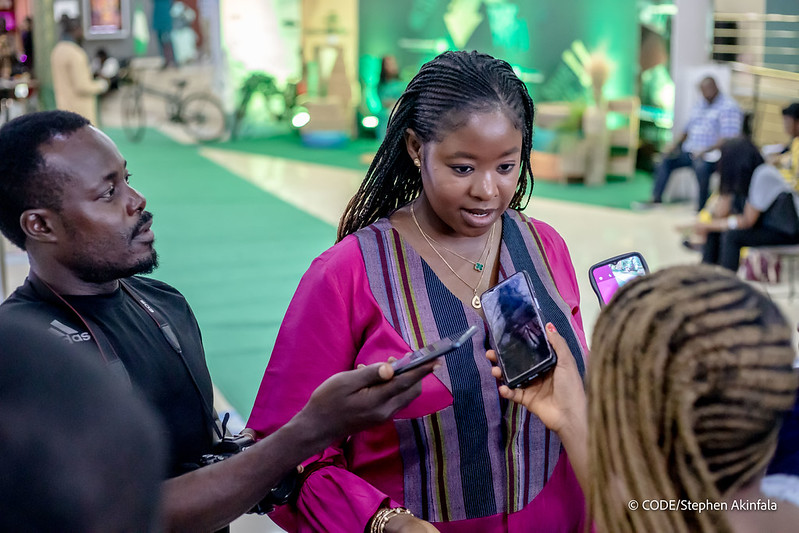
The World Bank accounted for 64 percent of total climate finance received. These findings were presented to the Nigeria Governors Forum and amplified nationally through the Climate Finance Media Parley, co-hosted with Oxfam Nigeria.
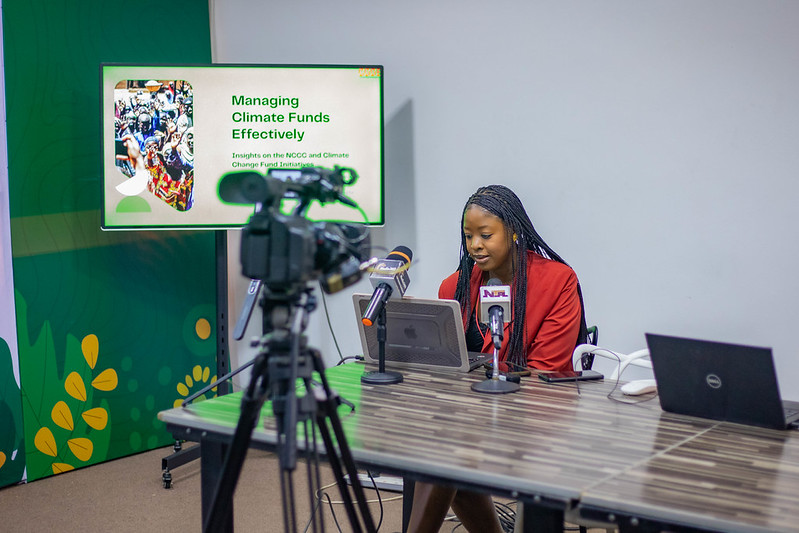
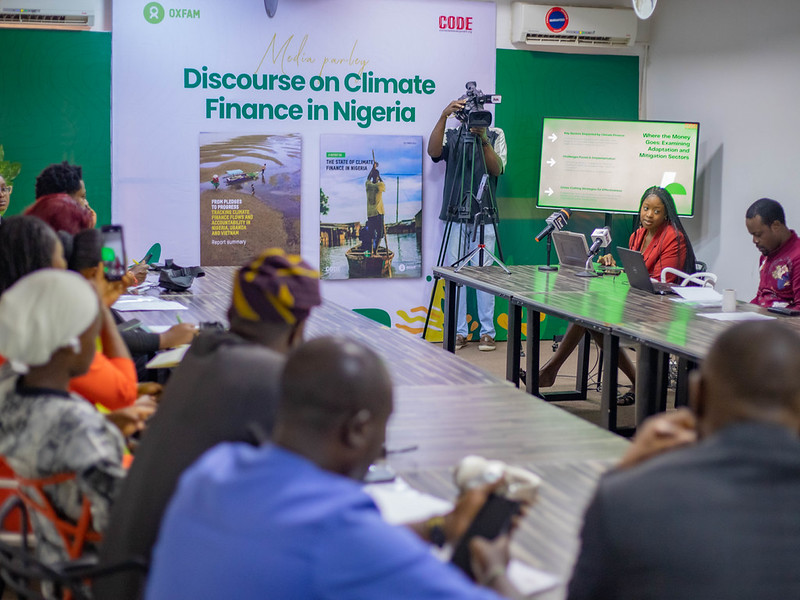
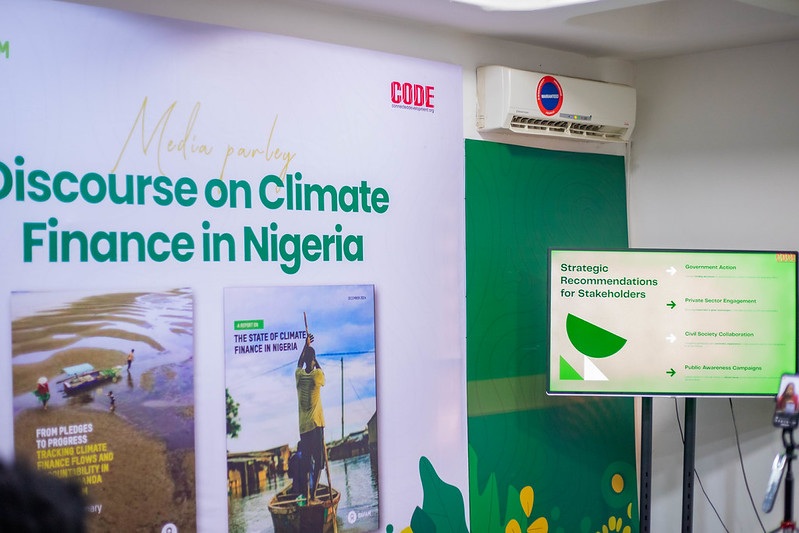

The research drew on 220 academic and policy studies and mapped international climate finance for adaptation and mitigation, national and subnational climate resource mobilisation, and the need for budget tagging and climate fiscal resilience in Nigeria.
Extractive Sector
Power of Voices: Fair for All.
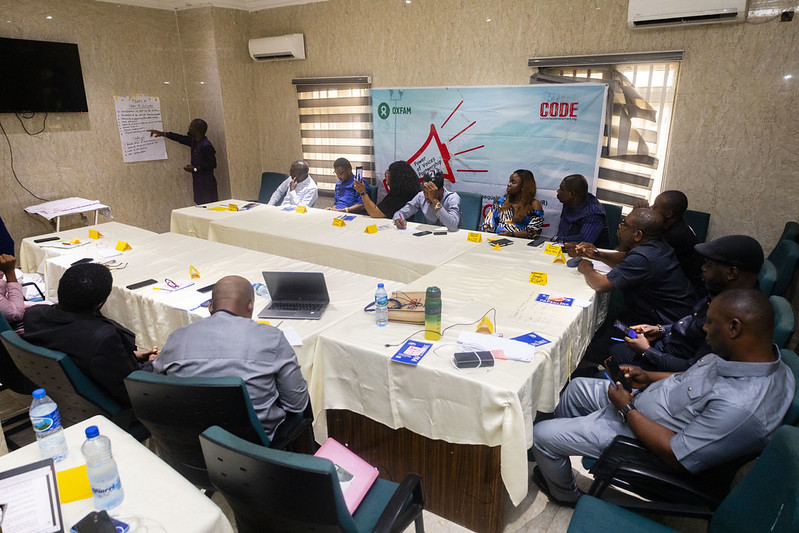
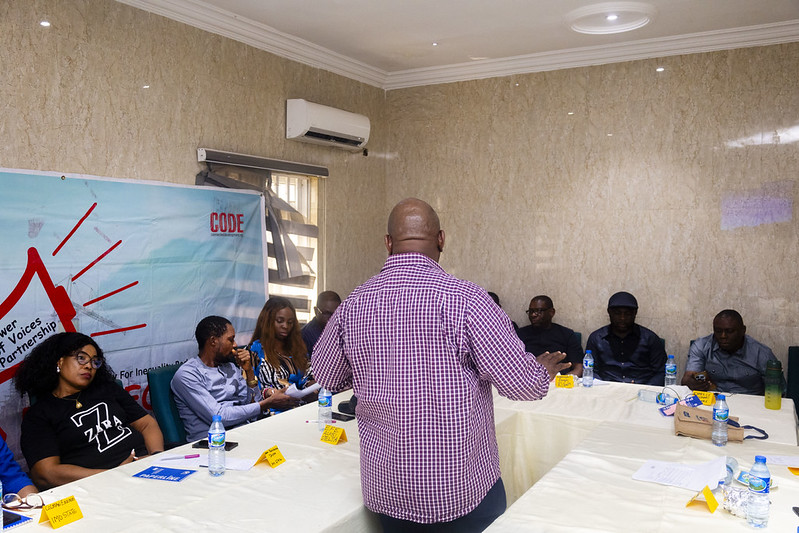
In partnership with Oxfam Nigeria, CODE is implementing the Power of Voices Partnership Fair for All project across six states: Akwa Ibom, Imo, Cross River, Rivers, Delta, and FCT.
The project strengthens the capacity of civil society organisations and citizens to demand accountability from public and private actors in Nigeria's extractive sector. It monitors state budgets, builds alliances with women's organisations, advocates for human rights-sensitive corporate conduct, and pushes for fair taxation and pro-poor public spending of extractive revenues.
Conflict and Fragility Campaign
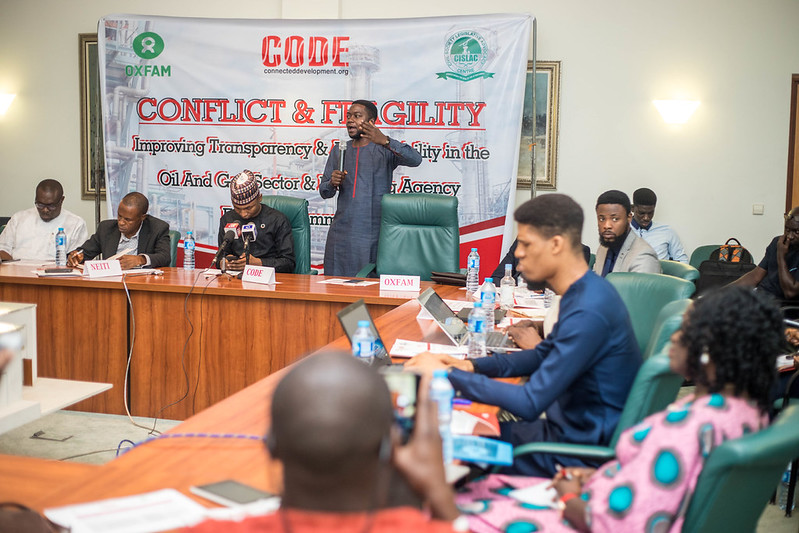
CODE and Oxfam conducted in-depth research across host communities, regulatory agencies, the legislature, and oil and gas operators. The campaign raised awareness of risks from opacity in the oil trade, identified policy gaps enabling corruption and illicit financial flows, and advocated for the passage of the Petroleum Industry Bill, including provisions for environmental clean-up and stronger governance of NNPC.


Community Voices
Community Media for Climate Justice.
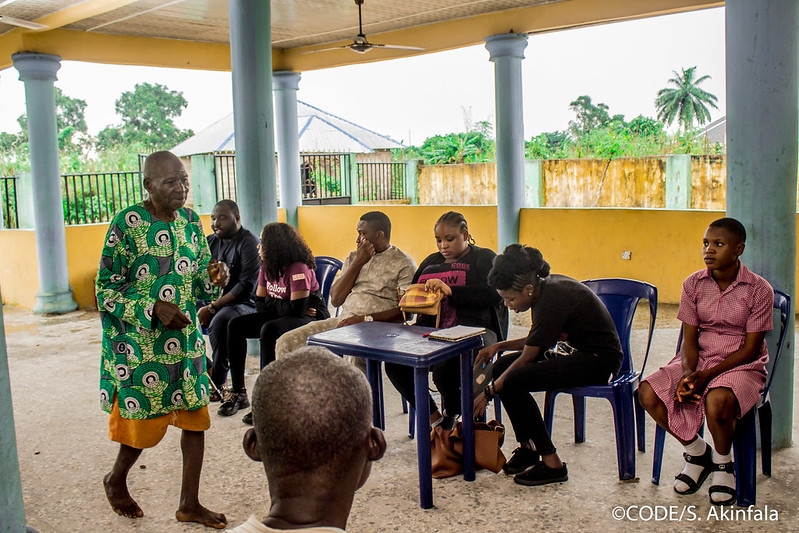
CODE produced a documentary amplifying the voices of frontline communities, particularly women, youth, elderly people, pregnant women, and internally displaced families living in camps who are bearing the day-to-day consequences of Nigeria's climate crisis.
The project simplified findings from NEITI audit reports and other technical sources into accessible storytelling, making the case for improved climate funding and community-level accountability.

Faith & Climate
Interfaith Climate Engagement.
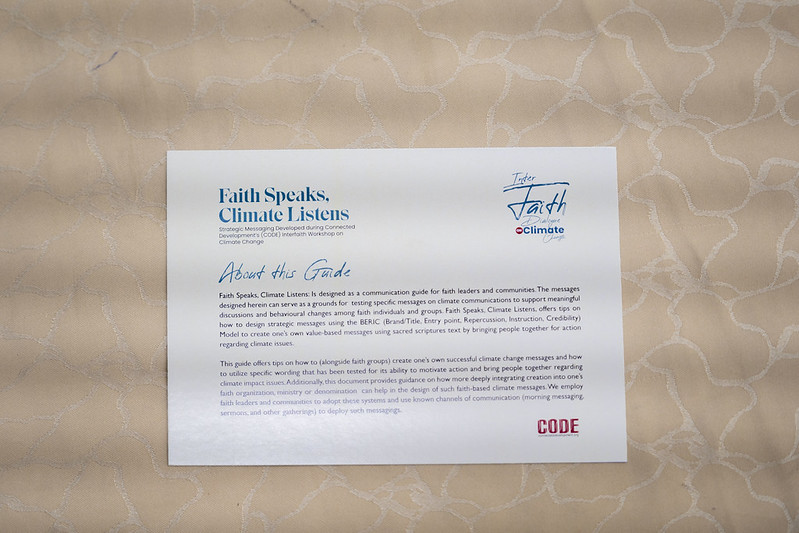
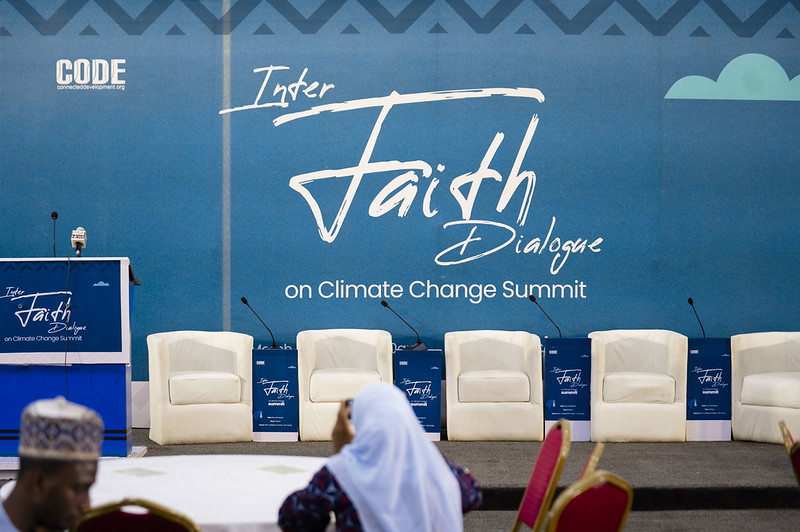
CODE convened an Interfaith Climate Symposium bringing together Christian, Muslim, and Indigenous faith leaders to explore the moral dimensions of environmental stewardship and community-level climate action.
The symposium launched an Interfaith Climate Report and Policy Brief with sermon guides, community outreach messages, and practical recommendations for grassroots climate advocacy, reaching communities not previously engaged in environmental accountability conversations.